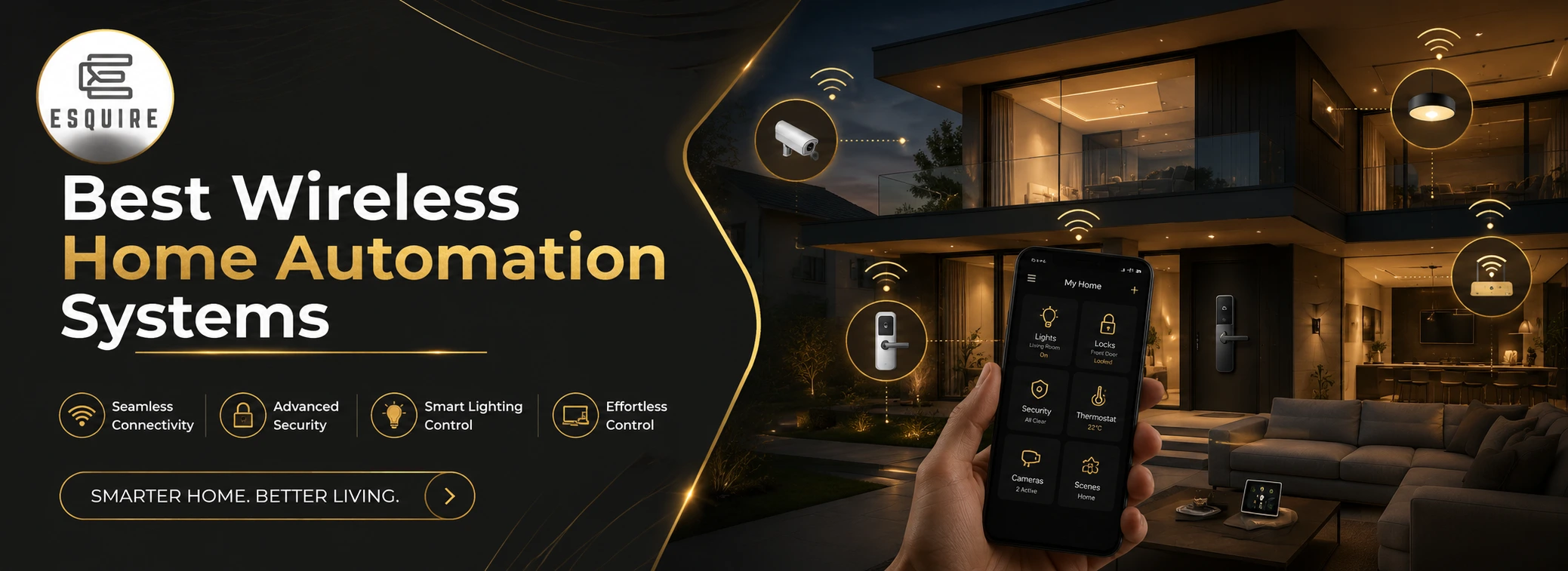
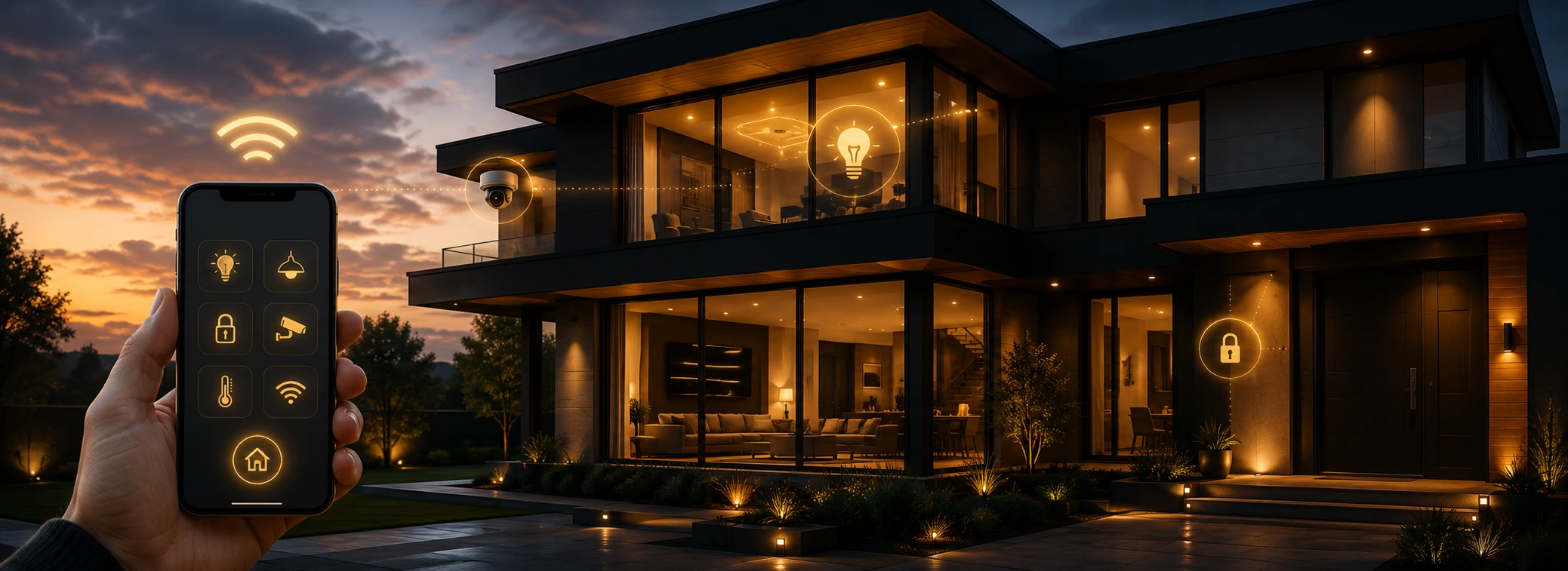
Best Wireless Home Automation Systems in India
If you’ve ever wished you could control your lights, security, or appliances from your phone—or even your voice—you’re not alone. Home automation is no longer a luxury found only in upscale villas. With wireless technology becoming more accessible, many homeowners across India are now upgrading to smarter, more efficient living spaces.
This guide will help you understand what actually matters when choosing Wireless Home Automation Systems in India, based on real-world usage, not just features on paper.
What Makes a Wireless Home Automation System Worth It?
In simple terms, a wireless system connects your home devices—lights, fans, locks, cameras—without complex wiring. Everything communicates through Wi-Fi, Zigbee, or similar protocols.
From experience, the biggest advantage isn’t just convenience—it’s flexibility. Unlike wired systems, you can install or expand wireless setups without breaking walls. This is especially useful in apartments or already-finished homes.
But not all systems are equal. Some are reliable and intuitive. Others look impressive but become frustrating over time.
Key Features to Look For Before Choosing
1. Ease of Installation and Use
A good system should be simple to set up and even easier to use daily. If your family members struggle to operate it, it defeats the purpose.
Because wireless systems enable rapid installation without requiring structural modifications, they are widely used. In a few hours, several installations can be finished.
2. Reliable Remote Home Control
One of the most practical benefits is remote home control. Whether you’re at work or traveling, you should be able to:
- Turn off forgotten lights
- Check security cameras
- Control appliances
However, reliability depends heavily on your internet connection and the system’s app stability. This is something many buyers overlook.
3. Compatibility with IoT Home Devices
A strong system should support a wide range of IoT home devices like:
- Smart bulbs
- Motion sensors
- Smart plugs
- Video doorbells
In real projects, compatibility issues are one of the most common frustrations. Always check if the system supports future expansion.
4. Energy Saving Automation
This is where automation delivers real value—not just convenience.
With proper energy saving automation, you can:
- Automatically switch off devices when not in use
- Schedule lighting based on time or occupancy
- Monitor power consumption
Over time, energy saving automation can noticeably reduce electricity bills, especially in larger homes.
5. Security and Privacy
Wireless systems rely on internet connectivity, so security matters.
Look for:
- Encrypted communication
- Secure mobile apps
- Regular software updates
Avoid unknown brands that don’t offer long-term support.
Popular Types of Wireless Home Automation Systems
Based on real-world usage in Indian homes, these are the most common categories:
App-Based Systems
Controlled entirely through a smartphone app. These are beginner-friendly and widely used.
Voice-Controlled Systems
Integrated with assistants like Alexa or Google Assistant. Ideal for hands-free operation.
Hybrid Systems
Combine app, voice, and manual control. These are more practical for families with different preferences.
What Works Best in Indian Homes?
From experience working with homeowners, the “best” system depends more on lifestyle than budget.
For Apartments
Wireless systems are perfect here. No rewiring needed. Focus on:
- Smart lighting
- Smart plugs
- Basic security
Many users exploring smart home devices in Coimbatore prefer compact, scalable setups due to space constraints.
For Independent Houses
You can go more advanced with:
- Security cameras
- Smart locks
- Full room automation
Here, stability and network coverage become more important than just features.
For Budget-Conscious Users
Start small:
- Smart plugs
- Smart bulbs
Then expand gradually. This approach works better than investing heavily upfront without understanding actual usage.
Common Mistakes to Avoid
Buying Too Many Devices at Once
Although it’s tempting to automate everything, not every feature is used frequently. Start with the most important areas, such as security and lighting.
Ignoring Network Strength
Wireless systems depend on strong Wi-Fi. Weak connectivity leads to delays and frustration.
Choosing Based on Price Alone
Cheap systems often lack reliability and long-term support. It’s better to invest in a stable ecosystem.
Real-World Benefits You’ll Notice
After installation, most homeowners experience:
- Greater control over daily routines
- Improved home security
- Reduced energy consumption
- Convenience in managing multiple devices
But one underrated benefit is peace of mind—especially when you can monitor your home remotely.
Is It Worth Investing in Wireless Automation?
Yes—but only if you choose wisely. Wireless automation works best when it solves real problems, not just adds features.
For example:
- Automating outdoor lights improves safety
- Smart plugs prevent energy waste
- Remote access helps during travel
When used practically, the value becomes clear within months.
Final Thoughts
Wireless home automation is no longer about luxury it’s about smarter living. The key is not to chase the most advanced system, but to choose one that fits your daily routine and can grow with your needs.
Start simple, focus on reliability, and build your system step by step.
That approach consistently delivers better results than going all-in without a plan.
